DEVELOPMENT OF AN INTEGRATED ALOE VERA AGRICULTURAL AND AGRO-INDUSTRIAL VALUE CHAIN IN ETHIOPIA
Investment Project – Aloe in Ethiopia.
Investment Project – Aloe in Ethiopia. Aloetrade America LLC is a world leader in the development of agricultural and industrial aloe based projects, with over 30 years of experience, 40 agricultural projects, and 28 industrial projects developed across four continents and nearly 30 countries.
After spending some time analyzing various business options in Ethiopia, we have identified the potential for developing a comprehensive project for the production and industrial processing of aloe vera in Ethiopia.
It means to develop an investment plan to build an agricultural and agro-industrial project to be developed, including one or more aloe plantations and an industrial processing and transformation plant.

Aloe is a high-yield and highly profitable crop, provided it is cultivated professionally and with an appropriate transformation process into products for different value chains.
These aloe based projects yield significant benefits for communities and local governments, offering sustainable activities, developing stable export related jobs and strengthening resilience to climate shocks since aloe plants are resistant to climate change.
In our close to 30 years in this activity, we have developed projects for the food, beverage, cosmetics and personal care, pharmaceutical, water treatment, oil and gas additives, mining, biofertilizer and crop protection, post-harvest protection, animal nutrition, cleaning products, textile, paint, and automotive battery industries. As you can see, we have many potential areas in which to carry out an Investment Project of Aloe in Ethiopia.
Investing in Aloe Business in Ethiopia
The proposed Aloe project is therefore not conceived as a conventional plantation project. It is proposed as an Aloe Vera Agricultural, Industrial and Employment Platform linking:
→ Climate-resilient crop production
→ Private company participation
→ Centralized processing
→ Technology transfer
→ Product development
→ Domestic commercialization
→ Export-oriented manufacturing
The initial and most potential candidate location for this project is Jijiga and the surrounding Somali Region, subject to detailed agronomic, water, land, infrastructure, logistical and security assessments.
1. Size of the Aloe Vera Plantation

A representative 200-hectare commercial development, using a planning density of approximately 12,000 plants per hectare and a target planning yield of 50 tonnes of fresh leaves per hectare per year, would represent:
- 200 hectares
- 2.4 million Aloe plants
- About 10,000 tonnes of fresh Aloe leaves annually
- About 833 tonnes of fresh leaves per month on an annualized basis
- About 27–28 tonnes per day of average annualized raw-material availability
The actual yield will be established through Ethiopian demonstration trials.
Ethiopian research has demonstrated that Aloe yields vary materially by location, with reported fresh-leaf yields of approximately 33.9–45.5 tonnes/ha in different Ethiopian test locations, supporting the need for site-specific validation before commercial-scale assumptions are finalized.
The central industrial facility would operate as an Aloe biorefinery, seeking to extract maximum economic value from the crop rather than treating Aloe as a single-product commodity.
- Potential product families would include:
- Aloe-based agricultural biostimulants
- Aloe-based foliar products
- Aloe-based adjuvants
- Soil-improvement products
- Livestock feed and fodder ingredients
- Aloe 1X liquid and concentrates
- Beverage and food ingredients
- Personal-care and cosmetic products
- Aloe polysaccharide-rich specialty ingredients
- Future industrial and export applications
The project therefore generate value at the farm, processing, manufacturing, distribution and export levels.
2. Promote Access to Better Jobs and Livelihoods
The proposed Aloe project directly addresses these objectives through the creation of a new agricultural value chain capable of combining:
- rural employment
- farmer participation
- cooperative development
- agricultural diversification
- climate resilience
- technical training
- agro-industrial employment
- SME development
- domestic manufacturing
- import substitution
- export generation
The project is particularly relevant because it does not require Ethiopia to remain a supplier of unprocessed agricultural commodities.
Instead, it establishes a pathway from: Agricultural production → processing → manufacturing → higher-value products → markets.
This is the fundamental economic proposition of the project.
3. Why Aloe Vera?
Aloe Vera offers several characteristics that make it attractive for consideration as a commercial agricultural diversification crop.
3.1 Drought tolerance
Aloe Vera is a succulent crop adapted to relatively dry conditions and can provide an agricultural diversification option in semi-arid environments.
The proposal does not assume that Aloe is “immune” to climate change. Rather, the crop should be evaluated as a drought-tolerant agricultural option, particularly in areas where conventional water-intensive crops face increasing climatic constraints.
3.2 Multiple harvests and recurring biomass production
Unlike an annual grain crop, Aloe is a perennial production system capable of generating recurring biomass once established.
3.3 Multiple industrial uses
The same crop can supply different value chains:
- agriculture
- livestock
- food
- cosmetics
- specialty ingredients
- industrial applications
3.4 Value addition near the production area
Fresh Aloe leaves are relatively bulky and perishable compared with concentrated or dried ingredients. Processing near the production area therefore provides an opportunity to capture additional value locally.
3.5 International trade advantage
Aloe Vera is distinct from many other Aloe species subject to CITES controls. Current CITES guidance states that Aloe vera, also known as Aloe barbadensis miller, is exempt from the CITES Aloe listing, including live plants and products made from aloe vera, whereas other Aloe species (found in Ethiopia) can be regulated.
Consequently, the project should use botanically authenticated Aloe vera and maintain appropriate documentation of plant identity and cultivated origin.
4. Proposed Location of Aloe Project
4.1 Initial candidate: Jijiga / Somali Region
Jijiga and surrounding areas merit evaluation as an initial candidate because of their semi-arid characteristics and the importance of agriculture and livestock to the regional economy.
However, this project does not prescribe Jijiga as the only location. The final location should be determined following:
- agronomic evaluation
- soil analysis
- water availability
- irrigation assessment
- land availability
- road access
- proximity to electricity
- proximity to markets
- proximity to export corridors
- labor availability
- security assessment
- environmental assessment
5. The Aloe Biorefinery Concept
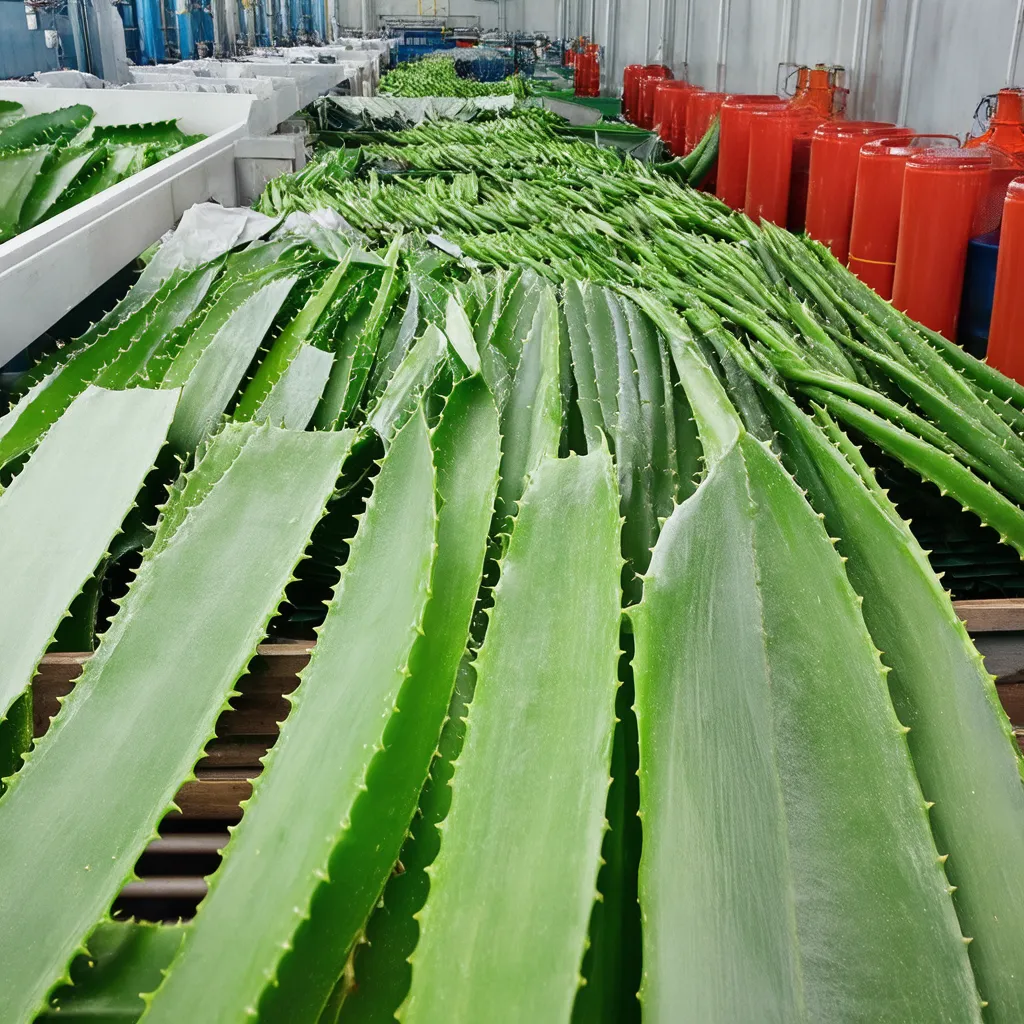
The central concept of the proposal is to avoid treating Aloe as a single commodity. The processing plant would be designed around the principle of Maximum Value from Every Aloe Leaf.
A representative Aloe leaf can generate several material streams.
Primary fraction: Inner gel / juice
Potential applications: agricultural formulations, Aloe 1X, concentrates, beverages, cosmetics, specialty ingredients.
Secondary fraction: Whole Leaf + Leaf rind / outer biomass
Potential applications: agricultural biostimulants, fermentation, soil products, compost, feed/fodder for animals, extraction of selected functional compounds.
Specialty fractions
Potential applications: polysaccharide-rich ingredients, technical formulations, cosmetic
ingredients, seed-treatment products.
Residual biomass
Potential applications: compost, soil amendment, energy/biogas feasibility, other circular-economy applications.
The precise mass balance will be established through pilot processing.
6. The 200-hectare Development Model
For planning purposes, this project uses the following preliminary commercial model:
Parameter + Planning assumption
- Plantation area – 200 ha
- Plant density – 12,000 plants/ha
- Total plants – 2,400,000
- Planning yield – 50 t/ha/year
- Annual fresh leaves – approx 10,000 t
- Average annualized monthly availability – approx 833 tons
- Average annualized daily availability – approx 27–28 tons
These numbers are planning assumptions rather than guaranteed agronomic results.
7. Products to Obtain from the Aloe Vera Project
SECTOR A — AGRO-BIOSTIMULANTS AND BIOFERTILIZERS
Aloe-derived agricultural products can be developed from appropriately processed Aloe fractions and formulated according to Ethiopian crop requirements.
Potential products
A.1 Aloe based Soil Improver
A liquid agricultural formulation designed for soil application. Potential target crops: maize, wheat, sorghum, pulses, vegetables and horticultural crops.
A.2 Aloe based Foliar Biostimulant
A concentrated liquid designed for foliar application. Potential uses: early vegetative development, transplant recovery, heat and drought stress, flowering and fruit development, crop recovery following environmental stress.
A.3 Aloe based Seed Treatment / Seed Coating
Aloe polysaccharide-rich material can be transformed as a film-forming component in seed-treatment systems. Potential target crops: maize, sorghum, wheat, beans, chickpeas and vegetables.
Product contributes to the germination, emergence, seedling vigor, moisture management, early root development and better performance under water stress.
SECTOR B — LIVESTOCK FEED AND FODDER

The second strategic opportunity is the use of Aloe processing residues within Ethiopia’s livestock economy. Ethiopia’s livestock sector creates an important complementary market and provides an opportunity to convert processing residues into additional economic value.
Potential products
B.1 Dried Aloe based Biomass
Potential applications: cattle, sheep, goats, plus other livestock subject to nutritional validation.
B.2 Fermented Aloe based Fodder
Aloe biomass may be evaluated as a component of fermented fodder systems. Potential objectives: preservation, biomass utilization, reduction of processing waste and local feed production.
B.3 Functional Aloe based Feed Additive
A higher-value product may be developed from selected Aloe fractions. Potential objectives: improve digestibility, safe inclusion level, gut-health effects, rumen fermentation, feed conversion and better animal performance.
SECTOR C — ALOE PROCESSING, CONCENTRATES AND INDUSTRIAL INGREDIENTS
The processing platform itself is strategically more important than any individual finished product. The plant would produce:
Aloe 1X
A stabilized single-strength Aloe liquid. Potential customers: food and beverage manufacturers, cosmetic manufacturers, pharma companies, and ingredient distributors.
Polysaccharide-Rich Fractions
Potential future applications: cosmetic ingredients, technical formulations, specialty export ingredients.
SECTOR D — PRIVATE-LABEL PERSONAL CARE AND COSMETICS

Aloe’s strongest consumer-product opportunity is potentially personal care. The Ethiopian facility could manufacture:
- Aloe liquid soap
- Aloe bar soap
- Aloe hand wash
- Aloe lotions
- Aloe creams
- Aloe skin gels
- Aloe based shampoos
- Aloe based conditioners
- Aloe after-sun products
- Aloe hair-care products
The project could operate as both B2C through Ethiopian consumer brands, and B2B through private-label and contract manufacturing.
SECTOR E — FOOD, BEVERAGE AND NUTRACEUTICAL INGREDIENTS

A controlled portion of suitable Aloe gel could be diverted toward food applications.
Potential products:
D.1 Aloe Beverage Base
Includes stabilized Aloe 1X juices, flavored Aloe beverages, aloe + fruit formulations, and functional beverages.
D.2 Food Ingredients

Includes Aloe gel, aloe fillets, aloe cubes and aloe chunks.
D.3 Nutraceutical Ingredients
Potential future products could include standardized Aloe fractions, subject to Ethiopian and destination-market regulatory requirements.
SECTOR F — SPECIALTY ALOIN COMPOUNDS FOR EXPORT
The high-value long-term opportunity may be the development of standardized Aloin gum and related specialty ingredients.
Potential products:
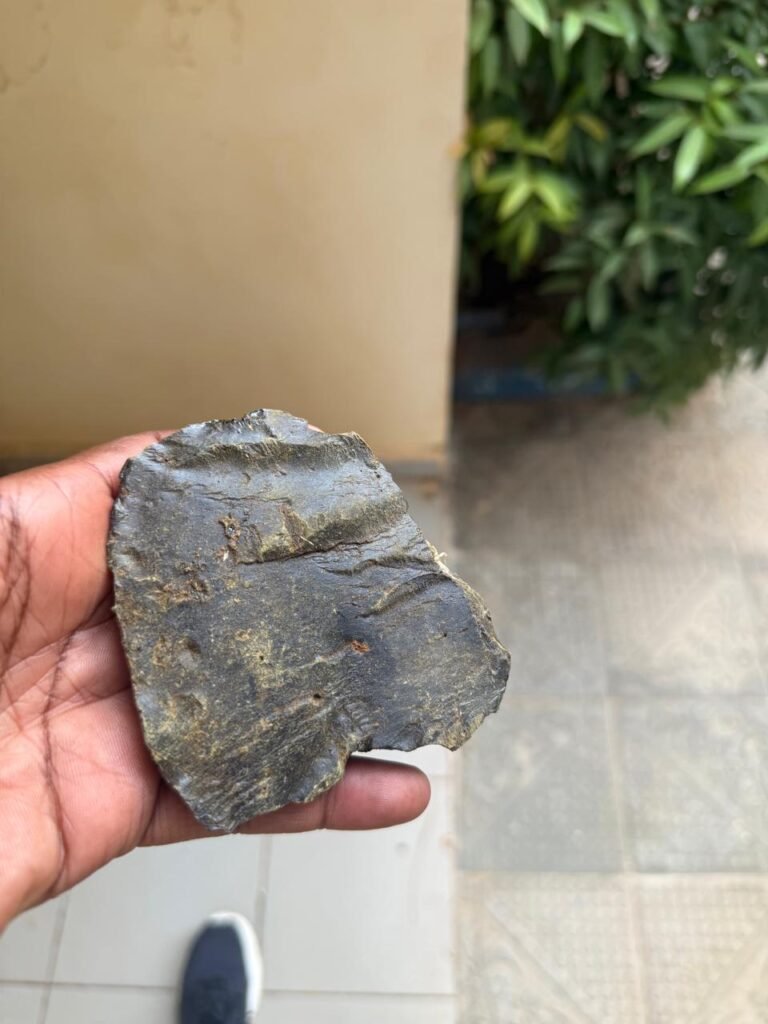
Aloe sap, aloe gum, aloe emodin concentrated, polysaccharide-rich Aloe concentrates.
8. Technology Transfer and Technical Assistance from Aloetrade America LLC
Aloetrade’s proposed contribution would not be limited to supplying technology.
The program would be designed around:
Technology + Know-how + Training + Product Development + Commercialization
8.1 Agronomic know-how
Aloetrade can provide technical assistance for:
- plantation design
- planting density
- crop establishment
- harvesting
- crop monitoring
- farmer training
- agronomic protocols
8.2 Industrial know-how
Technical assistance may include:
- process design
- equipment specifications
- processing protocols
- stabilization
- concentration
- drying
- quality control
- SOP development
8.3 Product-development know-how
Aloetrade and its related companies and/or affiliates owns Trade Secrets (Technology, know how and proprietary formulations) and therefore may license the manufacturing of many aloe based solutions, mainly:
- Animal feed products
- Aloe concentrates
- Aloe based cosmetic ingredients
- Aloe based consumer products (food, beverages, personal care, cleaning products, among others)
- Specialty Aloe based formulation for water treatment, oil and gas, mining, and other industrial sectors
8.4 Commercialization assistance
The project could also include support for:
- product positioning
- packaging
- technical documentation
- customer qualification
- private-label development
- domestic distribution
- export-market preparation
Project investment partnerships

Aloetrade America LLC is currently open to discussions with qualified parties interested in participating in the development and financing of this project in Ethiopia.
We welcome expressions of interest from:
- Private equity and investment firms.
- Venture capital funds with an interest in industrial technology and sustainable manufacturing.
- Infrastructure and industrial investment funds.
- Sovereign wealth funds and government-backed investment institutions.
- Investment banks and project-finance institutions.
- Family offices and family investment funds.
- Angel investors and strategic private investors.
- Ethiopia-based industrial groups and regional strategic partners.
We are particularly interested in partners who can contribute not only financial resources, but also industrial experience, regional market access, institutional relationships, manufacturing capabilities and long-term strategic vision.
Potential participation structures may be discussed according to the profile of the investor and the project’s development requirements. These could include equity investment, strategic joint investment, project financing or other appropriate structures.
Aloetrade America LLC would contribute its technology portfolio, manufacturing know-how, technical assistance and experience in the development of aloe-based industrial formulations, subject to the definitive agreements governing the project.
You may read a presentation related to this project here:
A similar presentation related to a World Bank project in Ethiopia can be read here:
Contact Information

These aloe based projects are highly relevant to local and foreign investors interested in developing business in Ethiopia.
If you or your company would like more details regarding these potential projects, please write to info (at) aloetradeamerica.com or visit our contact page.
Contact us via WhatsApp or visit our social media channels for further information about our company.
Thank you for your interest in this project.