Which are the typical additives for Fracking in the pad and proppant stage?
Additives in the Pad Stage of Hydraulic Fracturing
The pad stage is the initial phase of the hydraulic fracturing process, where a proppant-free fluid (usually slickwater or gel fluid) is injected to break the rock formation and create the main fractures.
This stage prepares the way for fracture propagation and typically uses a fluid volume of around 100,000 to 200,000 gallons, although this varies depending on the well.
Additives in this stage focus on improving flowability, protecting equipment and the formation, and controlling microbiology. Based on data from thousands of wells reported on FracFocus and industry analysis, the most common additives include the following:
Friction Reducers: Such as potassium chloride or polyacrylamide-based compounds, to reduce friction in the tubulars and facilitate fluid flow.
Corrosion Inhibitors: To protect equipment and piping from corrosion caused by acidic or saline fluids.
Scale Inhibitors: To prevent the formation of mineral deposits on pipes and rock formations.
Biocides: To control microbial growth and prevent bacterial contamination in the fluid.
Gelling Agents: Such as guar gum or polysaccharides, if using a viscous fluid, to increase viscosity and aid in fracturing.
Acids: Such as 3% hydrochloric acid (HCl), to clean the formation and improve permeability.
Surfactants: Non-ionic or anionic, to reduce surface tension and improve fluid penetration.
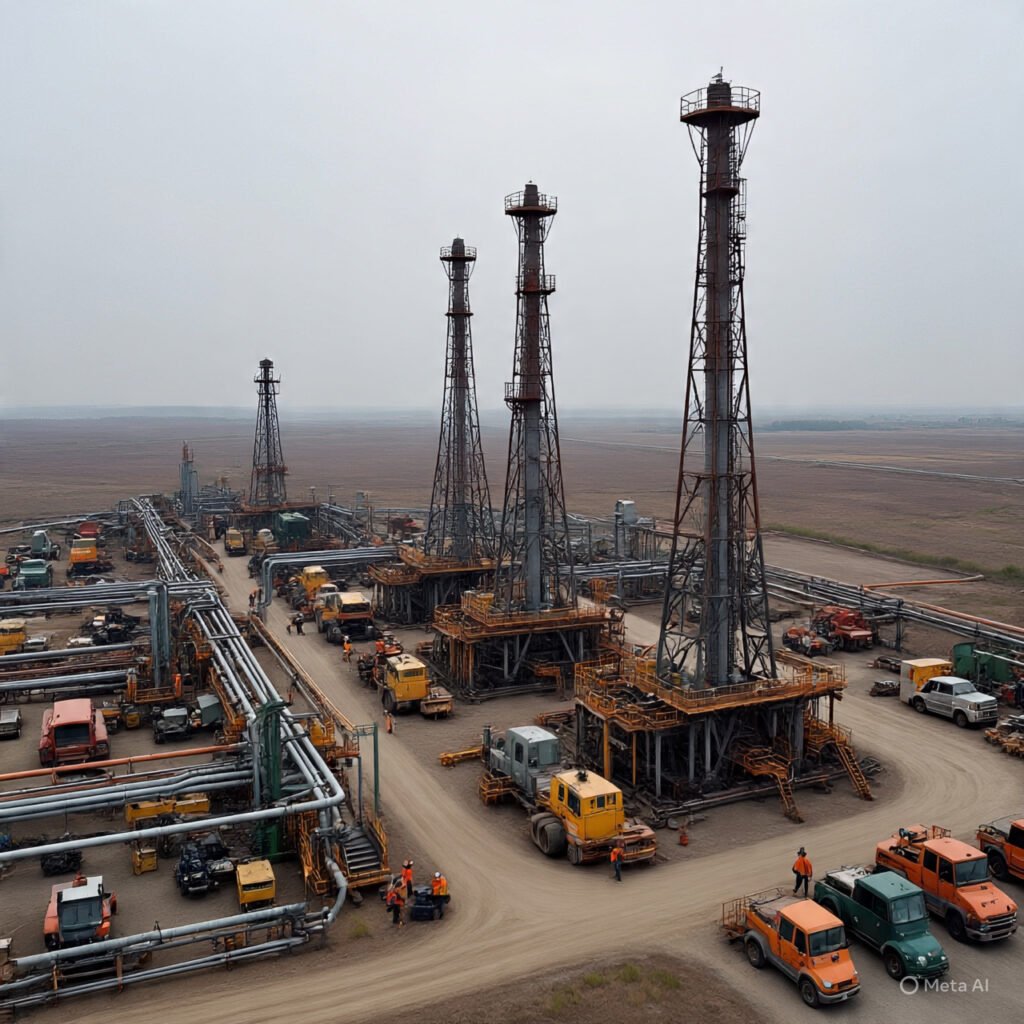
Additives in the Proppant Fracturing Stage
The proppant fracturing stage immediately follows the pad stage and consists of injecting the fluid mixed with proppant (such as sand or ceramics) to keep the fractures open and allow hydrocarbon flow.
This phase uses the majority of the total fluid volume (up to millions of gallons per well) and focuses on the suspension and placement of the proppant.
Additives here include those used in the pad stage, but with an emphasis on stabilizers and breaker agents to manage the proppant.
According to FracFocus reports and industry studies, typical additives are as follows:
Propant: The main “additive” in this stage, such as silica sand or ceramics, non-ionic or anionic, to support the fractures.
Gelling Agents: Such as guar gum or aloe vera derivatives, to viscosify the fluid and suspend the proppant during transport. These are used to increase viscosity and aid in fracture formation. A viscous fluid such as guar gum or polysaccharides is used. Our product ALOEGEL FRAC™ is used.
Crosslinkers: Such as borates or zirconium, to increase gel viscosity and improve propane suspension.
Gel Breakers: Enzymes or oxidants, to degrade the gel after propane placement, allowing hydrocarbon flow.
Friction Reducers: Used to maintain efficient flow with the added propane and to reduce friction in the tubulars, facilitating fluid flow. Our product ALOEFRICRED FRAC™ is used. If necessary, compounds such as potassium chloride or polyacrylamide-based compounds can be added to the dosage.
Corrosion Inhibitors: For continuous protection during injection. It is used to protect equipment and piping from corrosion caused by acidic or saline fluids. Our NOCORGREEN FRAC™ product is used.
Scale Inhibitor: For continuous protection during injection. Used to prevent the formation of mineral deposits on the piping and in the rock formation. Our STOPSCALE FRAC™ product is used.
Biocides: To prevent microbial contamination in the proppant fluid. Used to prevent the growth of bacteria in the wellbore that could interfere with the fracturing operation. Our ALOECIDE FRAC™ or ALOECIDE PLUS FRAC™ product is used. If necessary, it can be combined with an oxidizing biocide (THPS/glutaraldehyde) if the organic demand is high.
Surfactants and Stabilizers: To improve proppant adhesion and reduce water-formation interaction.
In summary, the pad stage emphasizes fracture creation with additives for fluidity and initial protection, while the proppant stage prioritizes proppant suspension and placement with additives for viscosity and controlled degradation.
The exact compositions vary by operator and geological formation, but they always represent a minority of the total fluid.
Green solution for industries
At Aloetrade America, we offer a diverse range of green and sustainable solutions, including fracking additives. You can find our list of plant-based products on the Sustainable Products for the Fracking Industry page.
For specific information on how our green and sustainable solutions can improve your well, please contact us directly for further assistance.
For more information on products for Green Products for Fracking – Hydraulic Fracturing please write to info (at) aloetradeamerica.com or send a message via the Contact Section.
Green Fracking Products FAQ – Frequent Asked Questions
Visit our Social Media pages for more details.